
What Is Panchakarma? A Beginner’s Guide to Ayurveda’s Traditional Cleansing Therapies
Vedic Village Journal
For many people, the first encounter with Ayurveda comes through a massage, a herbal remedy, or a recommendation to adjust daily habits. Yet at the heart of traditional Ayurvedic practice lies something far more comprehensive: Panchakarma.
Often described as Ayurveda’s cleansing and rejuvenation process, Panchakarma is one of the most widely discussed wellness therapies in Kerala. While it is sometimes referred to as an Ayurvedic detox, the practice is rooted in a broader understanding of balance, health, and long-term wellbeing.
If you have ever wondered what Panchakarma is, how it works, and why people travel to Kerala to experience it, this guide offers a simple introduction.
What Does Panchakarma Mean?
The word Panchakarma comes from Sanskrit:
Pancha means five.
Karma means actions or procedures.
Together, Panchakarma refers to five traditional therapeutic procedures described in Ayurvedic texts. These therapies are designed to help remove accumulated impurities, support the body’s natural processes, and restore balance.
Rather than focusing solely on symptoms, Ayurveda views health through the lens of the whole person, including physical, mental, and emotional wellbeing.
Why Is Panchakarma Performed?
According to Ayurveda, everyday life can gradually disturb the body’s natural balance. Irregular schedules, stress, dietary habits, environmental factors, and seasonal changes are all believed to influence wellbeing.
Panchakarma is traditionally used to:
Support the body’s natural cleansing processes
Promote balance between mind and body
Encourage healthy digestion and metabolism
Support rest and recovery
Prepare the body for rejuvenation therapies
The exact programme varies from person to person and is traditionally guided by an Ayurvedic physician after consultation.
The Five Classical Panchakarma Therapies
Traditional Ayurvedic texts describe five primary procedures.
Vamana
A carefully supervised therapeutic process traditionally used in specific conditions to help eliminate excess Kapha.
Virechana
A cleansing therapy designed to support the elimination of excess Pitta through the digestive tract.
Basti
Often considered one of Ayurveda’s most important therapies, Basti involves the administration of medicated oils or herbal preparations and is traditionally associated with balancing Vata.
Nasya
A therapy involving the administration of herbal oils or preparations through the nasal passages.
Raktamokshana
A specialised therapy described in classical texts that is less commonly practised today and is performed only in specific circumstances under expert supervision.
Not every Panchakarma programme includes all five therapies. The approach depends on individual needs and professional assessment.
What Happens Before Panchakarma?
One of the most misunderstood aspects of Panchakarma is that the therapies themselves are only part of the process.
Traditionally, Panchakarma includes three stages:
Preparation
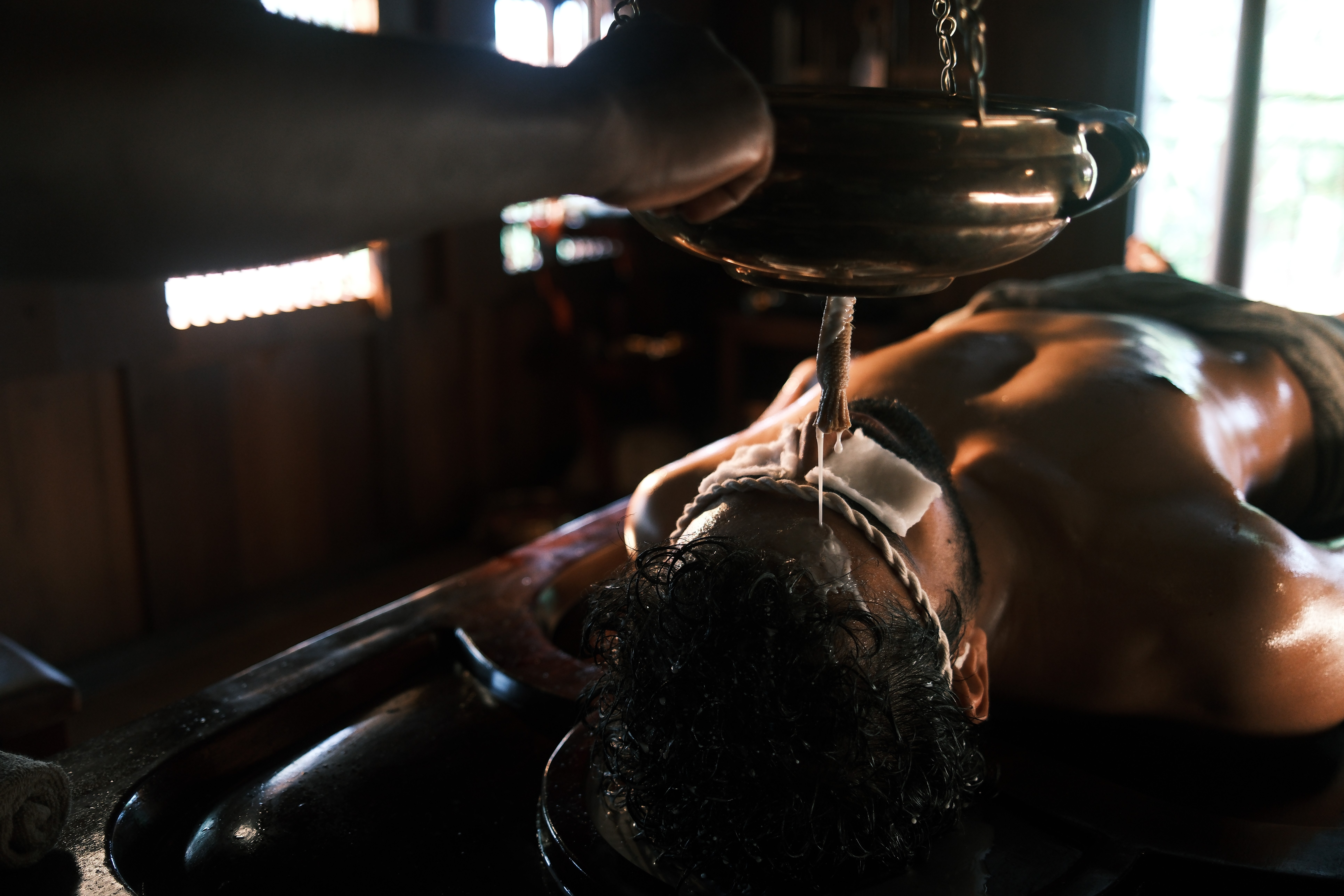
The body is prepared through therapies such as oil applications, massage, and steam treatments.
Main Procedures
Selected Panchakarma therapies are administered under professional supervision.
Recovery and Rejuvenation
Diet, rest, herbal preparations, and lifestyle recommendations support the body’s return to balance.
This gradual approach is one reason Panchakarma is often viewed as a comprehensive wellness programme rather than a single treatment.
Is Panchakarma a Detox?
The word “detox” is commonly used to describe Panchakarma, but the two are not identical.
Modern detox programmes often focus on short-term dietary restrictions or cleansing routines. Panchakarma takes a broader approach rooted in Ayurvedic principles. It combines therapies, nutrition, rest, and lifestyle practices within a structured programme designed for the individual.
For this reason, many Ayurvedic practitioners prefer to describe Panchakarma as a process of cleansing, balancing, and rejuvenation rather than a quick detox.
Who Can Benefit From Panchakarma?
People often explore Panchakarma when they wish to:
Take a break from demanding routines
Prioritise rest and recovery
Support overall wellbeing
Re-establish healthy habits
Experience traditional Ayurvedic therapies
Because every individual is different, suitability should always be determined through consultation with a qualified Ayurvedic practitioner.
Why Is Kerala Known for Panchakarma?
Kerala has long been associated with Ayurveda. The region’s climate, abundance of medicinal plants, and strong tradition of Ayurvedic practice have contributed to its reputation as one of the leading destinations for wellness travellers.
Today, visitors from across India and around the world come to Kerala seeking authentic Ayurvedic experiences that combine traditional knowledge with a slower pace of life.
In places such as Kodungallur, where waterways, greenery, and seasonal rhythms continue to shape everyday life, wellness is often experienced not only through therapies but through the environment itself.
Panchakarma and Modern Life
Many people are drawn to Panchakarma not because they are looking for a dramatic transformation, but because they are looking for a pause.
A chance to step away from constant notifications, packed schedules, and daily pressures.
Ayurveda reminds us that health is not built through occasional extremes. It is shaped by the small habits, routines, and rhythms we return to each day.
Panchakarma is one expression of that philosophy: a period of intentional care designed to support balance and wellbeing.
Frequently Asked Questions
What is Panchakarma in Ayurveda?
Panchakarma is a traditional Ayurvedic programme consisting of five classical therapeutic procedures designed to support cleansing, balance, and overall wellbeing.
How many days does Panchakarma take?
The duration varies depending on individual needs and the recommendations of an Ayurvedic practitioner. Programmes may range from several days to a few weeks.
Is Panchakarma safe?
Panchakarma should always be undertaken under the supervision of qualified Ayurvedic professionals who can assess suitability and guide the process.
Is Panchakarma only for people with health concerns?
Many people explore Panchakarma as part of a broader wellness journey focused on rest, balance, and self-care.
Why do people come to Kerala for Panchakarma?
Kerala is widely recognised for its strong Ayurvedic traditions, experienced practitioners, and natural environment that supports wellness and recovery.
A Final Thought
At its core, Panchakarma is not simply about cleansing. It is about creating the conditions for balance.
Through guided therapies, mindful routines, and intentional rest, it offers an opportunity to slow down and reconnect with the body’s natural rhythms. In a world that often rewards constant activity, that pause can be valuable in itself.

More from Vedic Village



A Warm Welcome, along with 10% Off
Join our newsletter for stories, seasonal stays, and updates from our villages.