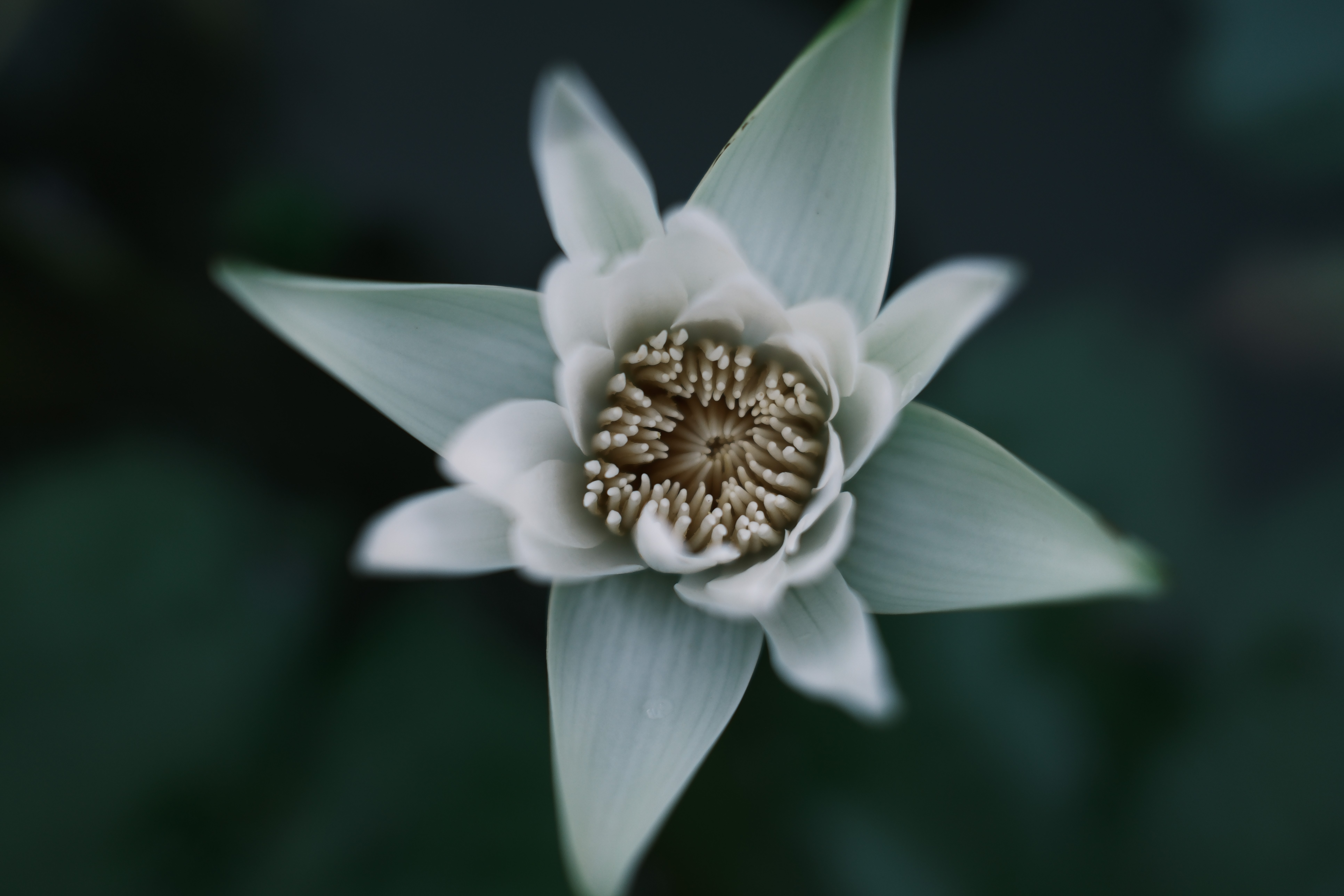
What Is Karkidaka Chikitsa? Kerala’s Monsoon Tradition of Renewal
Vedic Village Journal
Every year, as the monsoon settles over Kerala, the landscape begins to change. Rivers swell, paddy fields fill with water, and the sound of rain becomes part of daily life. It is a season that invites a slower pace, one shaped by shorter days, warm meals, and time spent indoors.
In Ayurveda, this period is also considered an important time for restoration.
Known as Karkidakam in the Malayalam calendar, the final month before the harvest season has long been associated with practices intended to support health and wellbeing. One of the most recognised of these traditions is Karkidaka Chikitsa, often referred to as the monsoon wellness regimen of Kerala.
For generations, families across the state have used this season to pause, nourish the body, and prepare for the months ahead.
What Is Karkidaka Chikitsa?
Karkidaka Chikitsa refers to a collection of Ayurvedic practices traditionally undertaken during the month of Karkidakam, which usually falls between July and August.
According to Ayurvedic principles, the monsoon season can influence digestion, energy levels, and overall balance. The body is believed to be more receptive to therapies during this period, making it an ideal time for restorative treatments and seasonal wellness practices.
Rather than focusing on a single therapy, Karkidaka Chikitsa is often approached as a comprehensive programme that may include:
Ayurvedic consultations
Therapeutic massages
Herbal preparations
Special dietary practices
Rest and rejuvenation treatments
Lifestyle recommendations
The exact programme varies according to individual needs and professional guidance.
Why Is the Monsoon Season Considered Important in Ayurveda?
Ayurveda recognises the influence of seasons on the body.
The monsoon follows months of intense summer heat. Traditionally, this transition is believed to affect digestion, energy, and the body’s ability to maintain balance.
For this reason, Ayurveda recommends adapting routines according to the season.
Karkidakam became a natural period for reflection and restoration, not unlike how many cultures observe seasonal practices linked to harvests, climate, or changing daylight.
In Kerala, where monsoon rains are an integral part of life, these traditions became deeply woven into everyday culture.
The Tradition of Monsoon Wellness in Kerala
Long before wellness retreats became popular, families across Kerala observed seasonal routines during Karkidakam.
Homes prepared nourishing foods.
Traditional recipes made use of herbs and spices associated with the season.
People reduced strenuous activity and prioritised rest where possible.
Elders often viewed this month as an opportunity to care for the body before the beginning of a new agricultural cycle.
While lifestyles have changed over the years, the underlying philosophy remains remarkably relevant: use seasonal transitions as a time to slow down and reset.


Common Elements of Karkidaka Chikitsa
Ayurvedic Therapies
Many people choose to undertake Ayurvedic treatments during Karkidakam.
These may include:
Abhyanga (warm oil massage)
Herbal steam therapies
Kizhi treatments
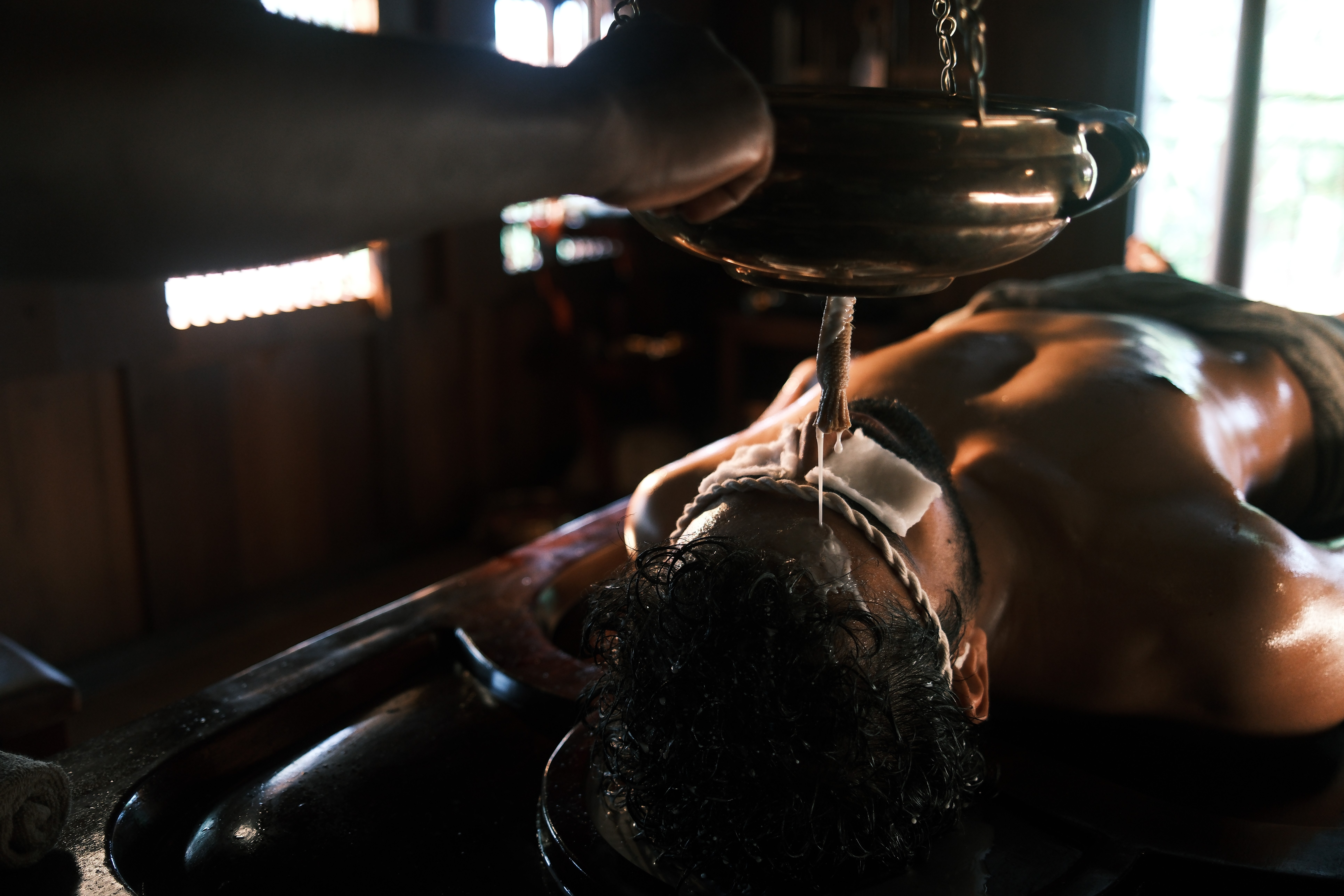
Shirodhara
Treatments are selected according to individual needs and professional recommendations.
Seasonal Diet
Food plays an important role in Ayurvedic wellness.
During Karkidakam, traditional dietary practices often emphasise warm, freshly prepared meals that are easy to digest.
Herbal preparations and seasonal recipes may also form part of the programme.
Rest and Recovery
Perhaps one of the most overlooked aspects of Karkidaka Chikitsa is the importance placed on rest.
The season encourages a temporary shift away from excess activity and towards recovery, reflection, and routine.
Daily Rituals
Simple practices such as mindful eating, gentle movement, breathing exercises, and adequate sleep are often recommended alongside therapies.

What Are the Benefits of Karkidaka Chikitsa?
People explore Karkidaka Chikitsa for many reasons.
Commonly reported benefits include:
A greater sense of relaxation
Support for overall wellbeing
Improved daily routines
Opportunities for rest and recovery
A renewed focus on healthy habits
Time away from demanding schedules
Experiences vary from person to person, and outcomes depend on many factors, including lifestyle, individual health, and professional guidance.
Is Karkidaka Chikitsa the Same as Panchakarma?
Not necessarily.
Panchakarma refers to a specific set of classical Ayurvedic cleansing therapies.
Karkidaka Chikitsa is broader.
It may include Panchakarma, but it can also incorporate massages, dietary practices, herbal preparations, and seasonal wellness routines.
The exact approach depends on individual needs and the recommendations of qualified practitioners.
Why Kerala Is Known for Karkidaka Chikitsa
Kerala’s relationship with Ayurveda is shaped by centuries of practice, local knowledge, and a landscape rich in medicinal plants.
The state’s climate and seasonal rhythms have also influenced how Ayurvedic traditions evolved over time.
Today, many people travel to Kerala during the monsoon specifically to experience wellness programmes inspired by these traditions.
The combination of rain-soaked landscapes, slower rhythms, and Ayurvedic therapies creates an environment that naturally supports rest and reflection.
Karkidaka Chikitsa in Modern Life
While the world has changed dramatically, the questions people ask themselves remain familiar.
How do we recover from stress?
How do we create space for rest?
How do we care for ourselves before exhaustion becomes the norm?
Karkidaka Chikitsa offers one possible answer.
Not through dramatic transformation, but through a quieter approach rooted in seasonal awareness, intentional care, and simple daily practices.
Frequently Asked Questions
What is Karkidaka Chikitsa?
Karkidaka Chikitsa is a traditional Ayurvedic wellness programme practised during the month of Karkidakam in Kerala. It typically includes therapies, dietary practices, herbal preparations, and lifestyle recommendations designed to support overall wellbeing.
When is Karkidaka Chikitsa practised?
It is observed during the Malayalam month of Karkidakam, usually falling between July and August.
Why is Ayurveda recommended during the monsoon season?
According to Ayurvedic principles, the monsoon season is considered a favourable time for restorative therapies and seasonal wellness practices.
Is Panchakarma part of Karkidaka Chikitsa?
It can be. Some programmes include Panchakarma therapies, while others focus on massage, herbal treatments, nutrition, and rejuvenation.
Who can benefit from Karkidaka Chikitsa?
Many people explore Karkidaka Chikitsa as part of a wellness journey focused on rest, recovery, and maintaining healthy routines.
Experience Karkidaka Chikitsa in Kodungallur
The monsoon has always been considered a meaningful time to pause and restore. At Vedic Village Kodungallur, our seasonal wellness programmes draw inspiration from Kerala's Ayurvedic traditions and are tailored to each guest through consultations with our wellness practitioners.
Whether you're seeking a weekend of rest or a more immersive wellness journey, our programmes combine Ayurvedic therapies, personalised care, nourishing meals, and the slower rhythm of Kerala's monsoon.
Explore our Karkidaka Wellness Programmes →
A Final Thought
The wisdom behind Karkidaka Chikitsa is surprisingly simple.
Rather than resisting the rhythms of the season, it encourages us to work with them.
As rain slows the landscape, Ayurveda invites us to slow down too. To rest. To restore. To pay attention to the habits that shape our wellbeing.
In Kerala, this tradition has endured for generations. Not because it promises quick results, but because it offers something increasingly rare: time and space to care for ourselves with intention.



More from Vedic Village


A Warm Welcome, along with 10% Off
Join our newsletter for stories, seasonal stays, and updates from our villages.