Why Is Keralam Called God's Own Country? History & Meaning
Vedic Village Journal
Why Is Keralam Called God's Own Country? The History Behind the Phrase
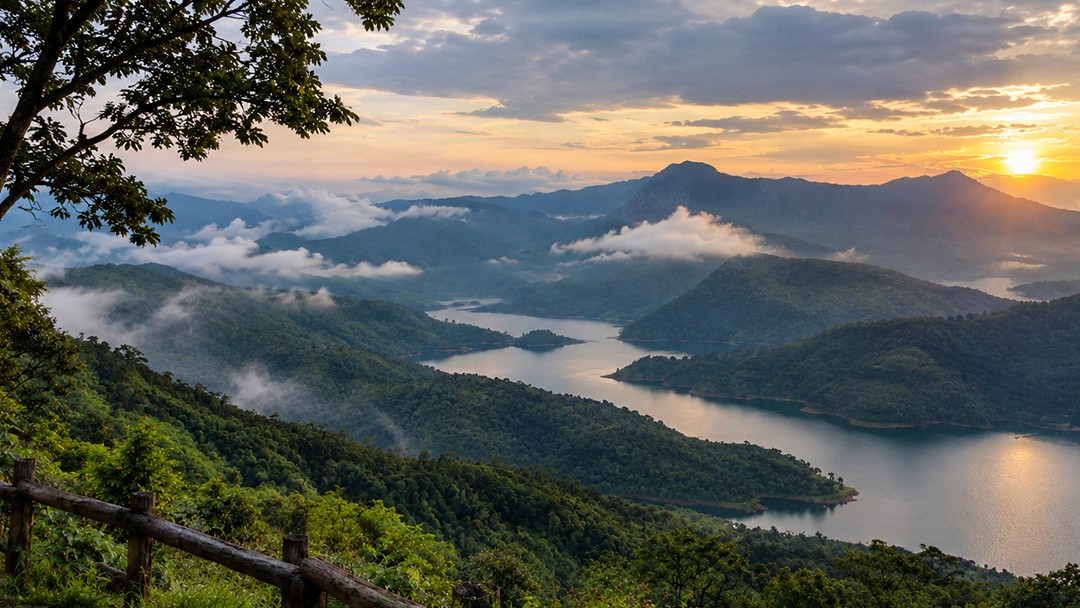
Few places in the world are as closely associated with a single phrase as Keralam is with "God's Own Country." You'll find it on guidebooks, travel websites and airport billboards. For many travellers, it is the first thing they know about Keralam, long before they learn about its backwaters, tea-covered hills, ancient trading ports or distinctive cuisine. It is such a familiar expression that many assume it has existed for centuries or originates from local folklore. In fact, the phrase is surprisingly modern. So why is Keralam called God's Own Country? And why has this simple description become one of the most recognised tourism identities in the world? The answer lies in a combination of inspired branding, remarkable geography and a landscape that continues to shape everyday life.
Where Did the Phrase "God's Own Country" Come From?
Although the expression feels timeless, "God's Own Country" was popularised through a tourism campaign launched by the Keralam Tourism Department during the late 1980s and early 1990s. Rather than promoting individual attractions, the campaign presented Keralam as a complete destination where beaches, backwaters, forests, wildlife, Ayurveda, hill stations and historic towns could all be experienced within a single journey. The slogan quickly gained international recognition because it expressed something travellers often struggled to describe. Keralam felt different. It wasn't defined by one monument or one city. Instead, it offered a remarkable diversity of landscapes, cultures and traditions within a relatively compact state. Over time, the phrase became inseparable from Keralam itself.

Why the Name Resonated
Tourism campaigns often disappear after a few years. "God's Own Country" endured because it reflected something people genuinely experienced. Keralam occupies a narrow stretch of India's south-west coast between the Arabian Sea and the Western Ghats, one of the world's most important biodiversity hotspots. Within a single day, travellers can move from quiet backwaters to mist-covered mountains, from spice plantations to beaches, from wildlife sanctuaries to historic port towns. The state's abundant rainfall nourishes rivers, wetlands and forests that have supported farming, fishing and trade for centuries. Rather than inventing a romantic image, the slogan simply gave people a memorable way to describe a place whose landscapes already felt extraordinary.

A Landscape That Shapes Everyday Life
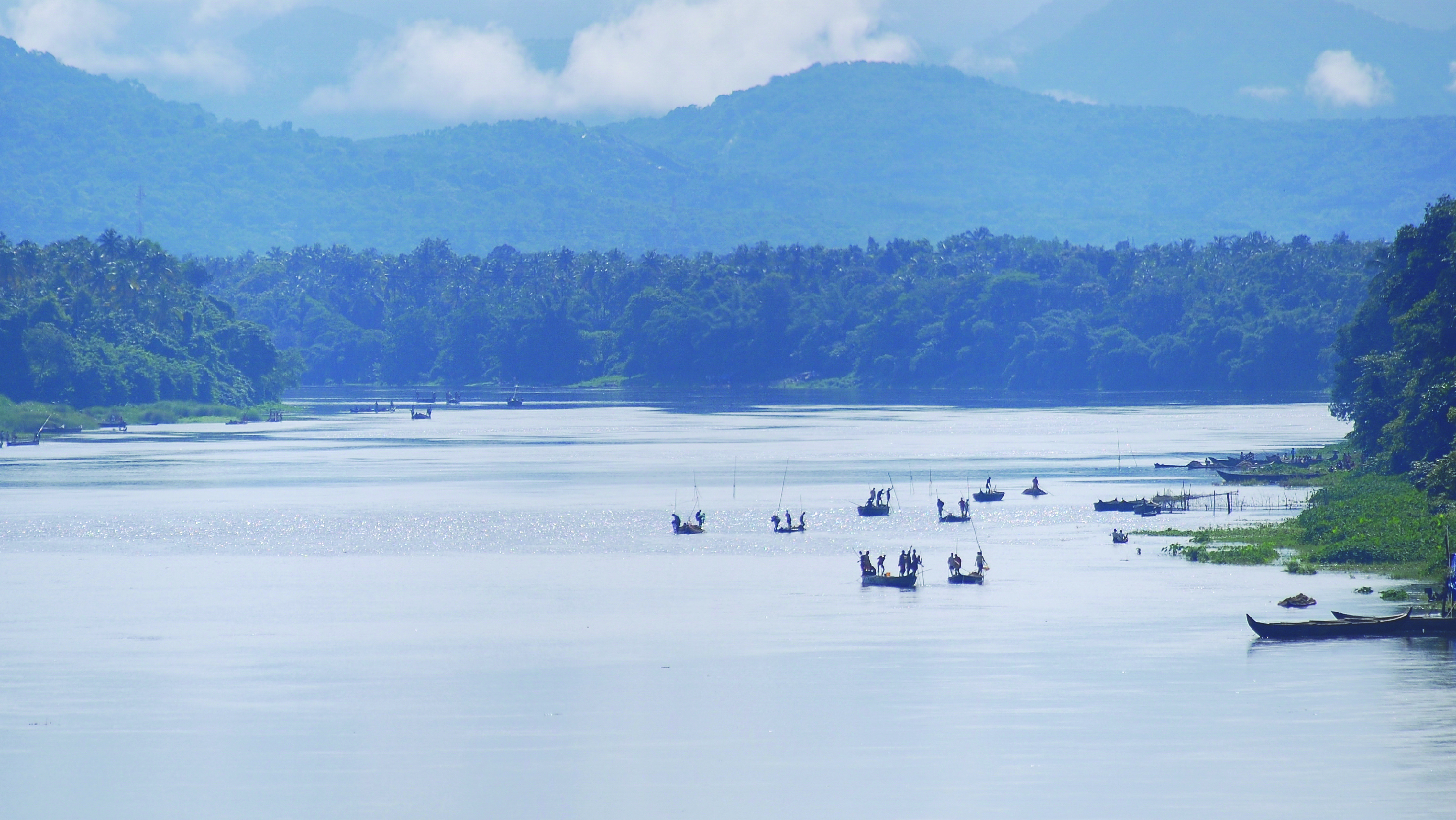
Keralam's natural beauty is often the first thing visitors notice. The backwaters of Alappuzha, the tea estates of Munnar, the forests of Wayanad, the beaches of Kovalam and the waterways of Kumarakom each offer a different perspective on the state. Yet these landscapes are more than scenic. They influence what people eat, how villages developed and how communities continue to live today. The backwaters provide freshwater fish and fertile farmland. The hills support tea, coffee and spice plantations. The monsoon replenishes rivers and wetlands, shaping seasonal rhythms that continue to influence agriculture and local traditions. Keralam's identity has always been inseparable from its geography.

Keralam's Cultural Heritage
The phrase "God's Own Country" also reflects Keralam's remarkable cultural diversity. For centuries, the state has welcomed traders, pilgrims and travellers from around the world. Today, visitors encounter ancient temples, churches, mosques and synagogues, often within the same town. Classical art forms such as Kathakali, Mohiniyattam and Koodiyattam continue to be performed, while Ayurveda remains one of Kerala's most recognised healing traditions. Food tells another part of the story. Traditional Kerala breakfasts, festive Sadya meals served on banana leaves and seafood shaped by the state's rivers and coastline all reveal how closely culture and landscape are connected. These traditions give Kerala a richness that extends well beyond its scenery.

The Story of Muziris
Long before Keralam became known as God's Own Country, it was known to the ancient world through trade. Near present-day Kodungallur stood the ancient port of Muziris, one of the most important trading centres of the Indian Ocean. Roman ships sailed here in search of black pepper. Arab merchants introduced new ideas and trading networks. Chinese ceramics, West Asian influences and European traders all left their mark over the centuries. The story of Muziris reminds us that Keralam has always looked outward. Its identity has been shaped not only by nature, but also by exchange, curiosity and cultural connections that span continents. Today, the Muziris Heritage Project preserves many of these historic sites, offering visitors an opportunity to explore one of India's most fascinating archaeological landscapes.

Experience God's Own Country at Vedic Village
The phrase "God's Own Country" becomes more meaningful when experienced through the places that inspired it.
At Vedic Village Alleppey, guests stay on a private island surrounded by Keralam's backwaters. Here, waterways replace roads, coconut palms frame the horizon and mornings begin with traditional Keralam breakfasts overlooking the water. Local seafood, canoe rides and quiet evenings by the backwaters offer an experience shaped by the same landscape that has sustained communities here for generations.
At Vedic Village Kodungallur, the story shifts from water to history. Located near the ancient port of Muziris, the property offers a gateway to one of Keralam's oldest cultural landscapes. Guests can spend the day exploring museums, archaeological sites, temples and churches before returning to a peaceful riverside retreat inspired by Keralam's traditions of hospitality, wellness and regional cuisine.
Together, the two properties reveal different dimensions of Keralam. Alleppey introduces the state through its waterways and slower rhythms of life, while Kodungallur reveals the history and cultural exchanges that helped shape Kerala's identity over thousands of years.

More Than a Tourism Slogan
More than thirty years after it was introduced, "God's Own Country" continues to endure because it reflects something real. It describes a place where rivers meet the sea, where food follows the seasons, where centuries of trade have created a rich cultural tapestry, and where nature remains part of everyday life. Whether you're drifting through the backwaters of Alleppey, walking the historic streets of Kodungallur or sharing a traditional meal served on a banana leaf, Kerala has a way of revealing itself slowly. Perhaps that is why the phrase has lasted for so long. It does not promise perfection. It simply invites you to discover a place whose beauty is found as much in its everyday rhythms as in its celebrated landscapes.

Frequently Asked Questions
Why is Keralam called God's Own Country?
Keralam is called God's Own Country because of a tourism campaign launched by Keralam Tourism in the late 1980s and early 1990s. The phrase became famous for capturing the state's extraordinary landscapes, rich culture and remarkable biodiversity.
Is "God's Own Country" an ancient name for Keralam?
No. It is a modern tourism slogan rather than an ancient name. However, the natural beauty and cultural richness that inspired the phrase have been recognised for centuries.
Who created the phrase "God's Own Country" for Keralam?
The phrase was popularised by Keralam Tourism as part of its international branding campaign and has since become synonymous with the state.
What makes Keralam unique?
Keralam combines beaches, backwaters, mountains, rainforests, wildlife, Ayurveda, historic towns and diverse culinary traditions within a relatively small geographical area.
Where can visitors experience the landscapes behind God's Own Country?
Travellers can experience Keralam's backwaters in Alleppey, explore the heritage of Kodungallur and the ancient port of Muziris, visit the tea estates of Munnar or discover the forests of Wayanad. At Vedic Village Alleppey and Vedic Village Kodungallur, guests can experience two distinct sides of Keralam—its serene waterways and its rich cultural heritage—while enjoying regional cuisine and warm hospitality inspired by the landscapes around them.


More from Vedic Village



A Warm Welcome, along with 10% Off
Join our newsletter for stories, seasonal stays, and updates from our villages.