
Ambal Flower: Kerala's Water Lily and the Story of the Backwaters
Vedic Village Journal
Some places are remembered through monuments. Kerala is often remembered through water. Its rivers, lakes and backwaters have shaped the landscape for centuries, and among the first signs of the changing seasons are the floating blooms of the ambal, the water lily that has become one of the quiet symbols of Kerala's wetlands.
Scattered across ponds, canals and still stretches of the backwaters, these flowers appear almost effortless. Yet they are deeply connected to the ecology, culture and everyday life of the state.
To understand the ambal is to understand another layer of Kerala itself.
What Is the Ambal Flower?
The ambal is the Malayalam name commonly used for the water lily, an aquatic flowering plant found across Kerala's ponds, lakes and backwaters. While different species bloom in shades of white, pink, blue and purple, all share the same distinctive habit of floating gracefully on the surface of the water. In Kerala, the name is commonly associated with water lilies of the Nymphaea genus, although local usage can vary.
Unlike many land flowers, the ambal grows directly from the water. Its broad leaves float on the surface while its roots remain anchored in the soft mud below, allowing the flower to thrive in Kerala's wetlands.
Across the state, the ambal appears in temple ponds, village lakes, paddy fields and the quiet canals that weave through the backwaters.
Is the Ambal Flower the Same as a Lotus?
It is one of the most common questions visitors ask.
The answer is no.
Although both grow in water and are often confused, the ambal is a water lily, while the thamara is the lotus.
One simple way to tell them apart is by looking at their leaves.
Water lily leaves float directly on the surface of the water.
Lotus leaves usually rise above it on tall stems.
Their flowers also grow differently. Water lilies bloom close to the water, while lotus flowers stand proudly above it.
Both are beautiful.
Both are important in Kerala.
But they belong to different botanical groups and carry their own stories.
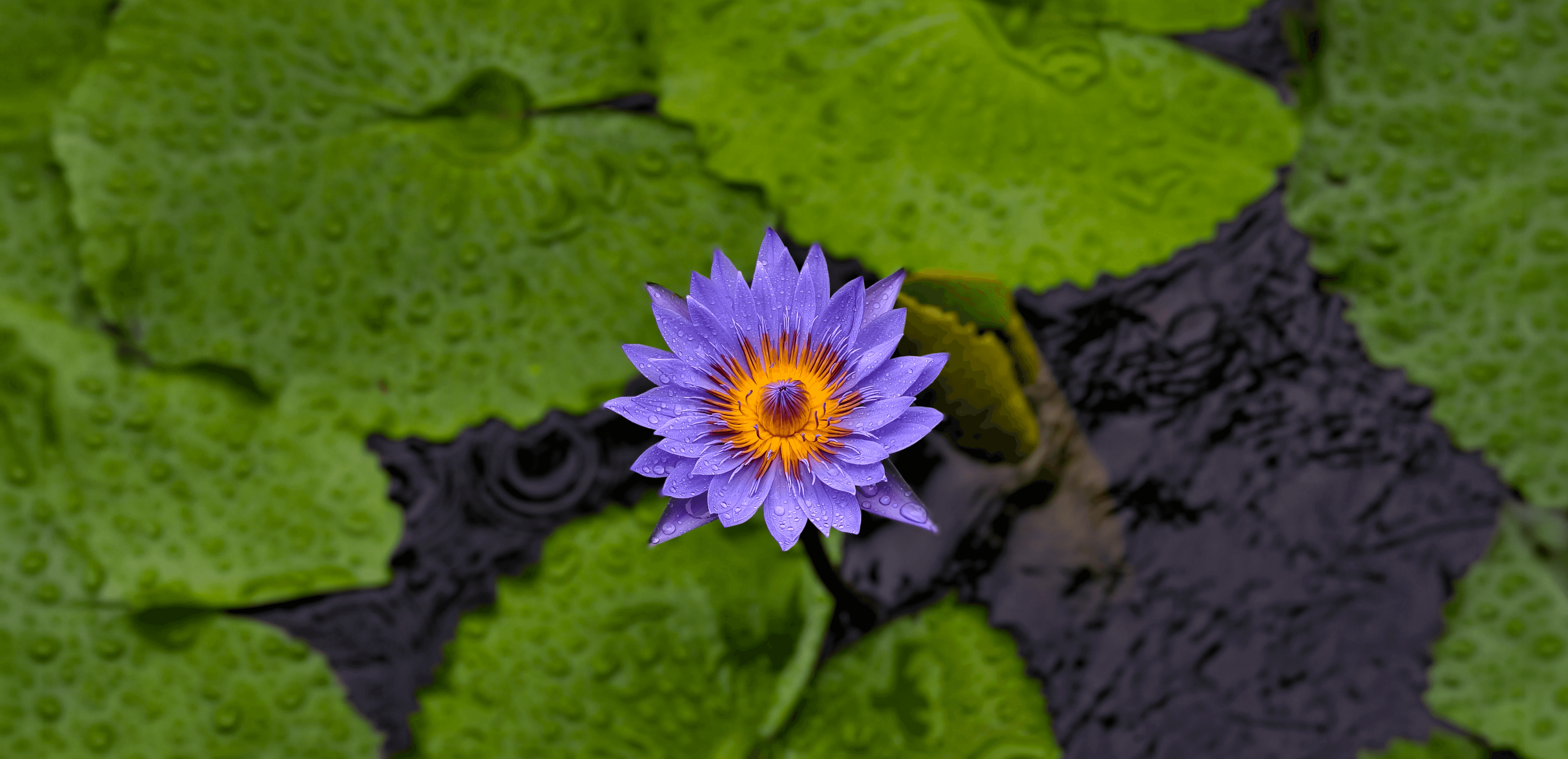
Why the Ambal Thrives in Kerala
Kerala offers almost ideal conditions for water lilies.
The state's network of rivers, canals, ponds and backwaters provides calm, shallow water where aquatic plants flourish. Seasonal rains replenish these wetlands every year, while the tropical climate supports growth throughout much of the year. During the monsoon, many waterways become dotted with fresh blooms, adding another layer of colour to an already changing landscape. Unlike ornamental flowers planted in gardens, ambal often appears naturally as part of the ecosystem itself.
The Ambal and Kerala's Backwaters
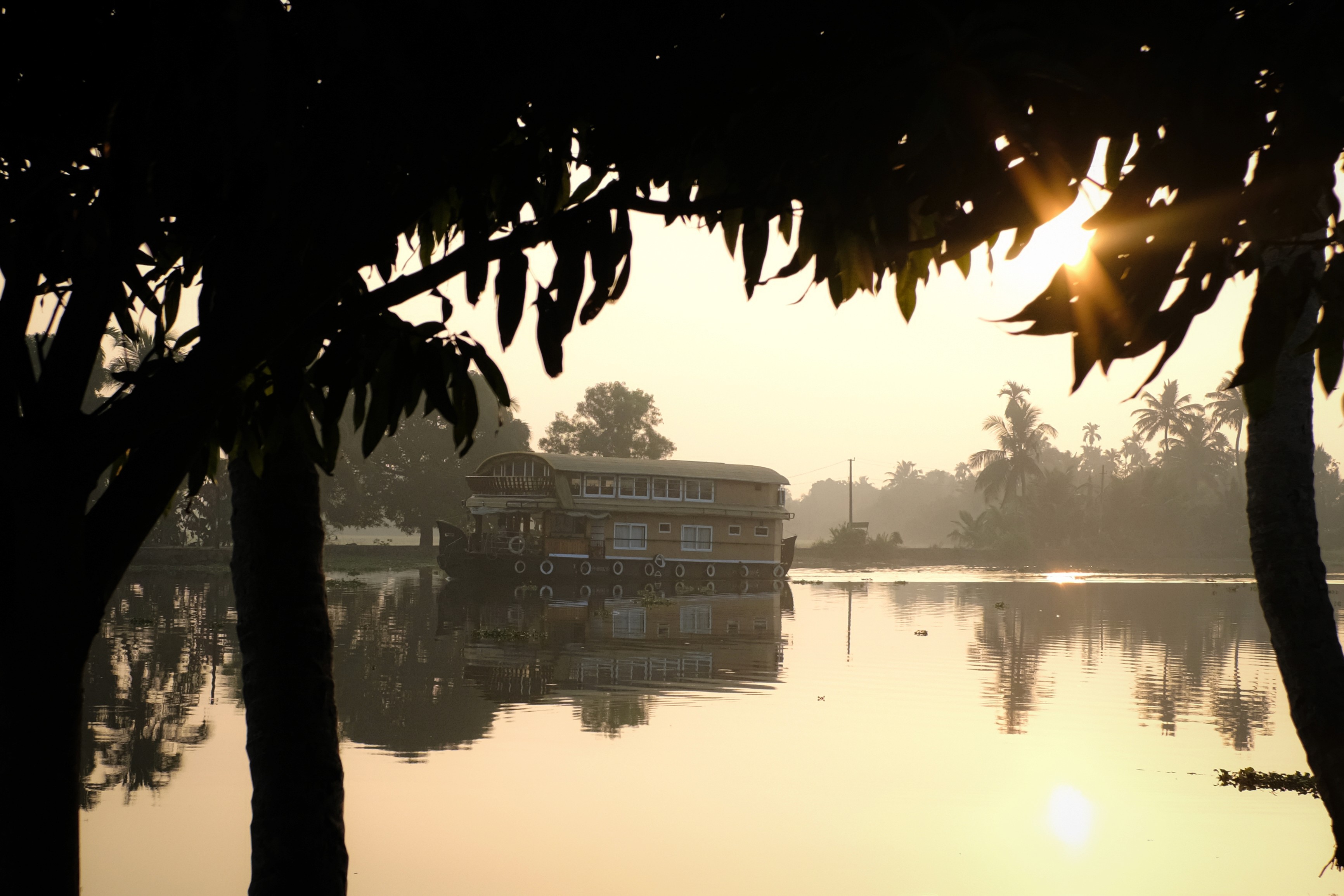
To many people, the ambal is inseparable from the Kerala backwaters.
It grows quietly beside village canals.
It floats through temple ponds.
It appears between coconut reflections on still mornings.
For generations, people travelling these waterways have shared the landscape with water lilies.
The flower has become part of the visual language of Kerala, appearing in paintings, literature, photography and memories of life along the water.
Unlike dramatic landmarks that demand attention, the ambal rewards those who slow down enough to notice it.
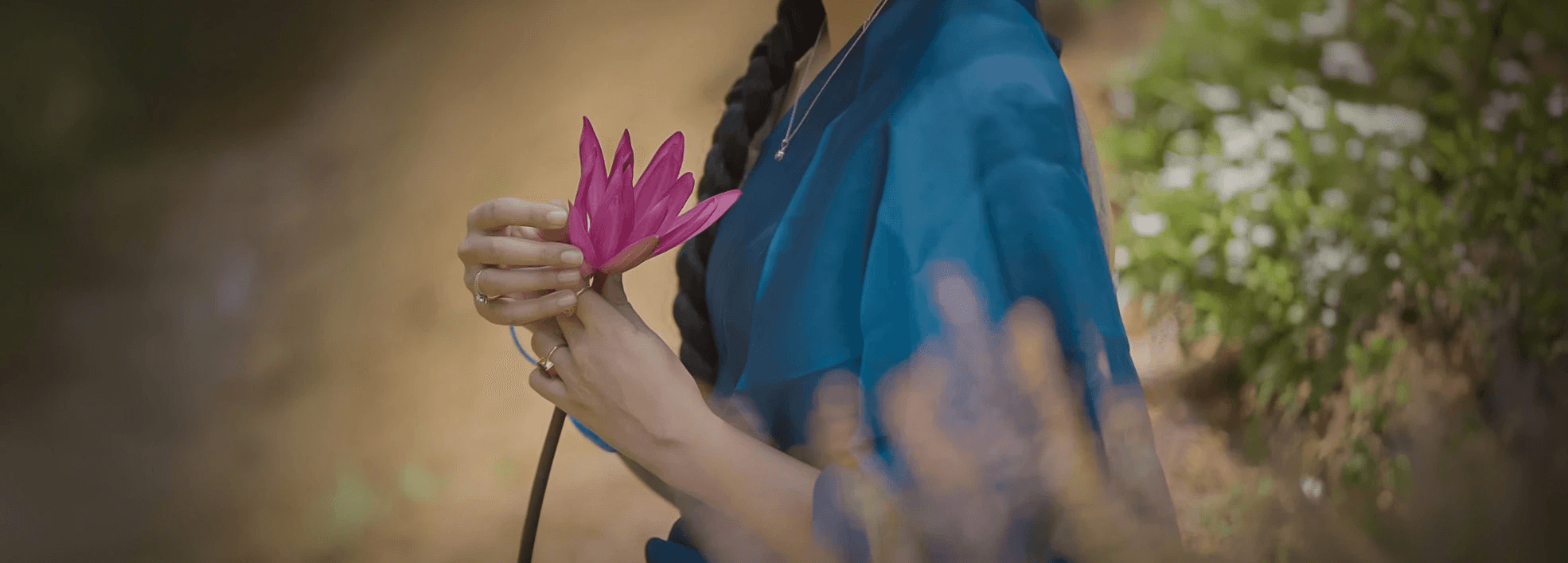
A Symbol of Stillness
The ambal is admired not because it dominates the landscape, but because it belongs to it.
Floating gently on quiet water, it has long been associated with calm, balance and renewal.
Its blooms open with the changing light, reminding those who live beside Kerala's waterways that nature follows its own rhythm, independent of clocks or calendars.
Perhaps this is why the flower continues to resonate with so many people.
It reflects the same qualities that draw travellers to Kerala's backwaters in the first place.
Stillness.
Patience.
A quieter way of moving through the world.
When Do Ambal Flowers Bloom?
Water lilies can be seen throughout much of the year in Kerala, but they become especially abundant during and after the monsoon, when ponds, lakes and canals are replenished with fresh water. Different species flower at different times of day, with some opening in the morning and others blooming later in the day or evening.
For photographers and nature lovers, the early hours of the morning often provide the calmest conditions to observe them, when the water is still and the surrounding landscape is just beginning to wake.
Where to See the Ambal Flower in Kerala
Water lilies can be found throughout Kerala, but some of the most memorable sightings occur in the quieter wetlands of the state.
The backwaters of Alappuzha, the paddy fields of Kuttanad, village ponds, temple tanks and the canals surrounding Vembanad Lake all provide ideal habitats.
Unlike formal gardens, these flowers appear as part of everyday life.
They bloom beside fishing boats, village homes and narrow waterways where people continue to live and work much as they have for generations.
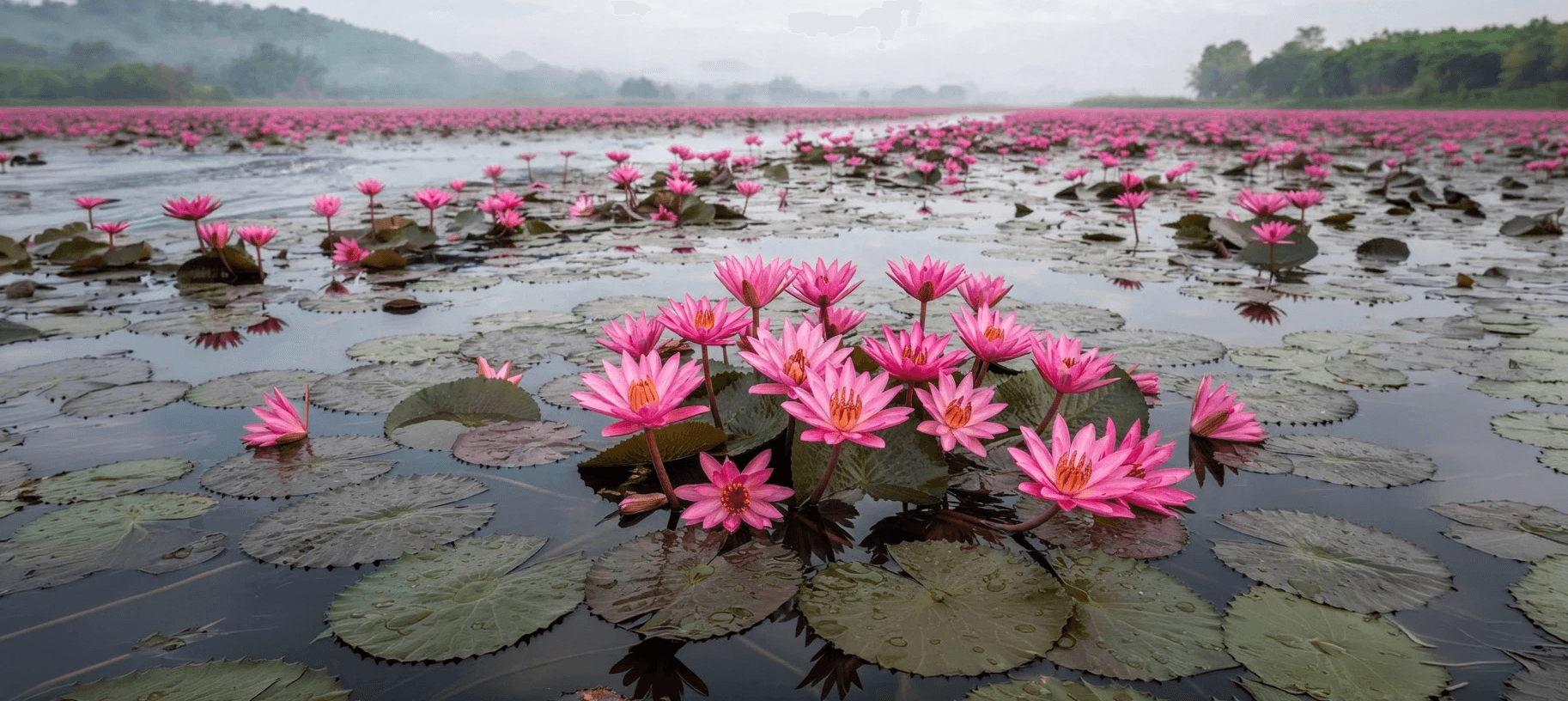
Experience Kerala's Water Lilies at Vedic Village
The ambal is not an attraction created for visitors.
It is simply part of the landscape.
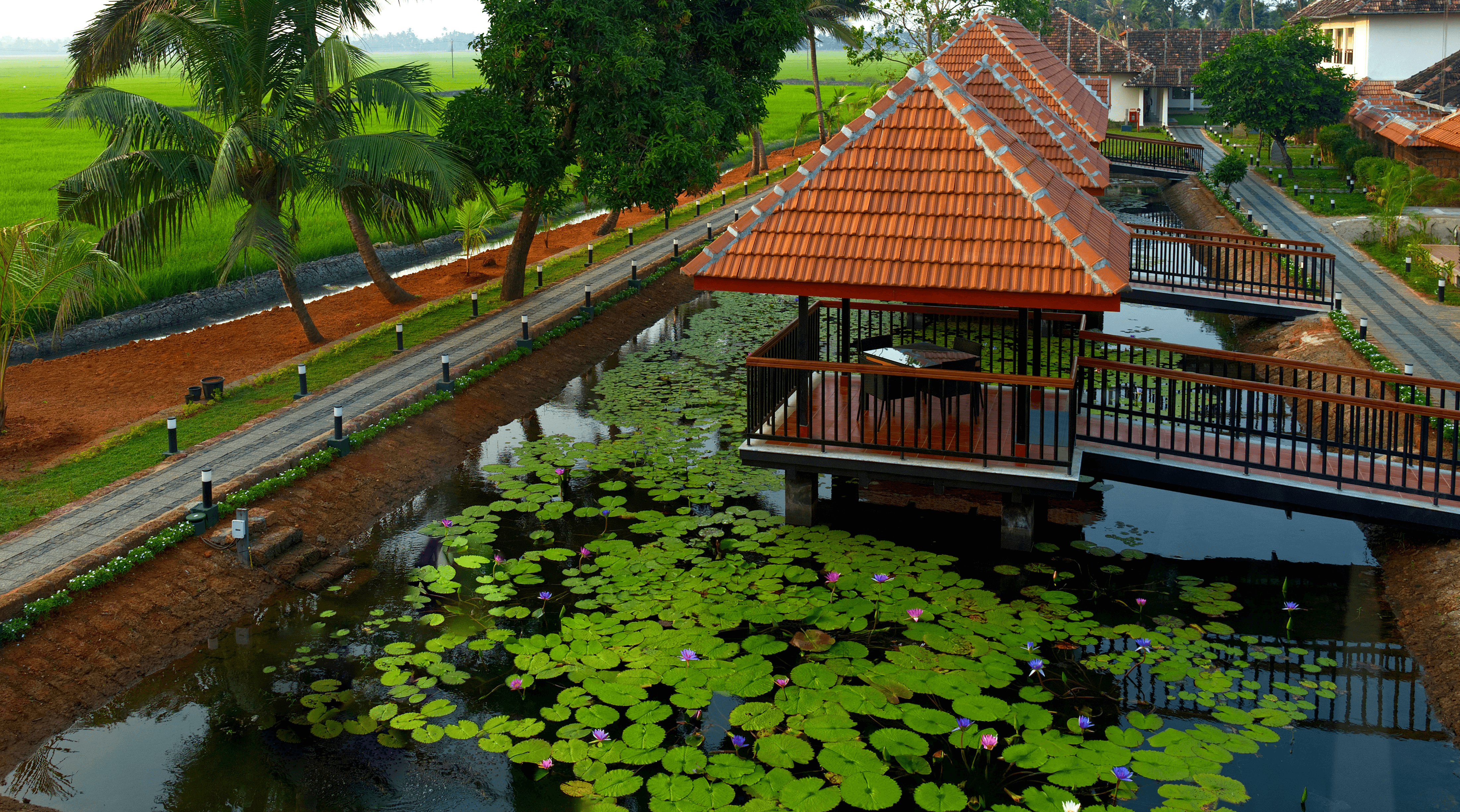
At Vedic Village Alleppey, guests stay on a private island surrounded by Kerala's backwaters, where the changing seasons reveal different aspects of the landscape. During the months when water lilies are in bloom, quiet canoe rides through nearby canals often pass floating ambal flowers, framed by coconut palms and reflections on still water.
The experience is unhurried. There are no marked viewing platforms or scheduled displays, only the chance to encounter the flower where it naturally belongs.
For travellers continuing through Kerala, Vedic Village Kodungallur offers another perspective on the state's waterways. Set beside the Periyar River near the ancient port of Muziris, it reveals how rivers, wetlands and fertile landscapes have shaped Kerala's history, culture and daily life for centuries.
Together, the two properties invite guests to experience Kerala not only through its landmarks, but through the quieter details that define its character.
More Than a Flower
The ambal asks very little of those who encounter it.
It grows without ceremony, blooms without announcement and disappears back into the landscape as naturally as it arrived.
Yet for generations, it has become part of how people remember Kerala.
Not because it is rare.
But because it belongs so completely to the backwaters that imagining one without the other feels almost impossible.
Frequently Asked Questions
What is the Ambal flower?
The ambal is the Malayalam name commonly used for the water lily, an aquatic flowering plant that grows in Kerala's ponds, lakes and backwaters.
Is the Ambal flower a lotus?
No. The ambal is a water lily, while the lotus is known as thamara in Malayalam. Although both are aquatic flowers, they belong to different plant groups and can be distinguished by the way their leaves and flowers grow.
Where can I see Ambal flowers in Kerala?
Water lilies are commonly found across the backwaters of Alappuzha, the wetlands of Kuttanad, village ponds, temple tanks and calm stretches of Vembanad Lake.
When is the best time to see Ambal flowers?
Water lilies grow throughout much of the year, but they are especially abundant during and after the monsoon, when Kerala's wetlands are full.
Can I see water lilies while staying at Vedic Village Alleppey?
Yes. Depending on the season and natural growing conditions, guests exploring the surrounding canals and backwaters may encounter ambal flowers growing in their natural habitat during canoe rides and waterside walks.



More from Vedic Village

A Warm Welcome, along with 10% Off
Join our newsletter for stories, seasonal stays, and updates from our villages.